
If you have the creativity and motivation, there’s no end to the number of DIY projects you could do in your own home! However, buying every possible tool could get expensive quickly, and you may run out of space.
Instead, consider investing in the most common and essential home improvement tools that cover most projects DIY enthusiasts love!
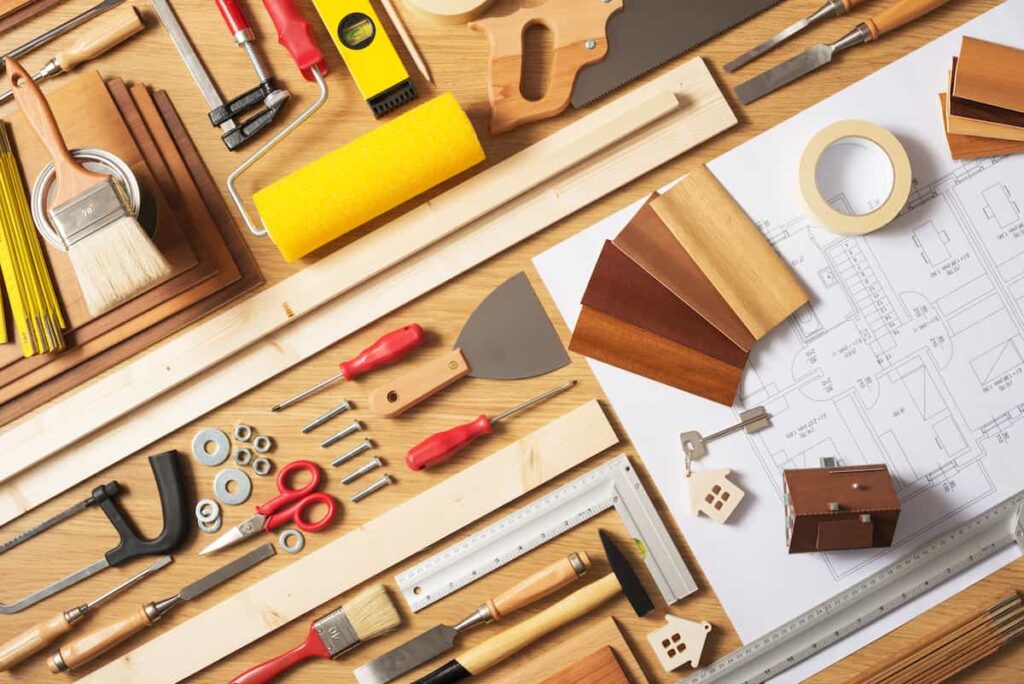
For Preparation
Before starting a DIY project, you need to have a plan and understand your materials. These tools will help you prepare for whatever you want to do.
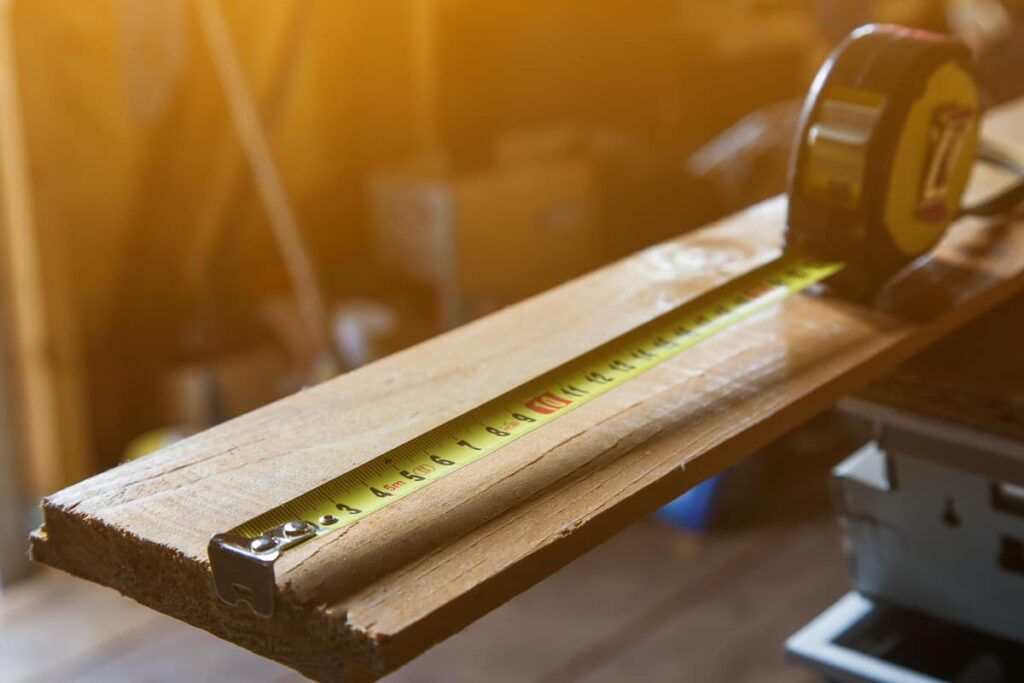
1. Tape Measure
Depending on your DIY proficiency, you may be cutting, hanging, sawing, bolting, nailing, or welding all kinds of objects. To accurately judge where to cut, hang, saw, bolt, nail, or weld, you must measure your materials with a tape measure.
2. Stud Detector
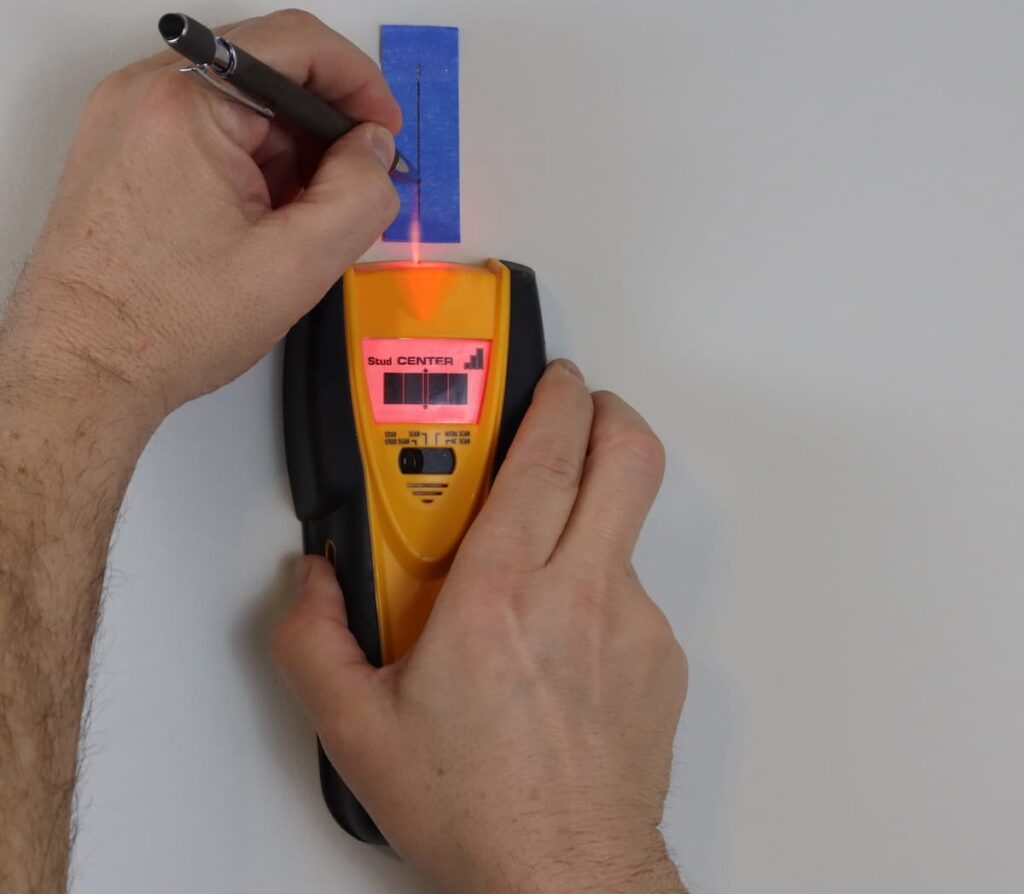
Stud detectors are a similarly useful home improvement tool when hanging large or heavy enough to require support, whether it’s a frame, shelf, clock, board, mirror, or wall decor.
Basically, you hover the detector near your wall so that it can locate framing studs in your behind the drywall material. That’s where you can insert the supportive materials your project needs without ruining the wall.
3. Electrical/Masking Tape
If your projects involve working with wires or cords, electrical tape could keep you safe and/or let you mark certain wires or cords so that you can remember where they go or what they do.
This kind of tape can also be used for painting projects. Put it on anything in your workspace that you don’t want to be painted; the tape will catch the stray paint, and you can simply throw it away when you’re done.
4. Multipurpose Level
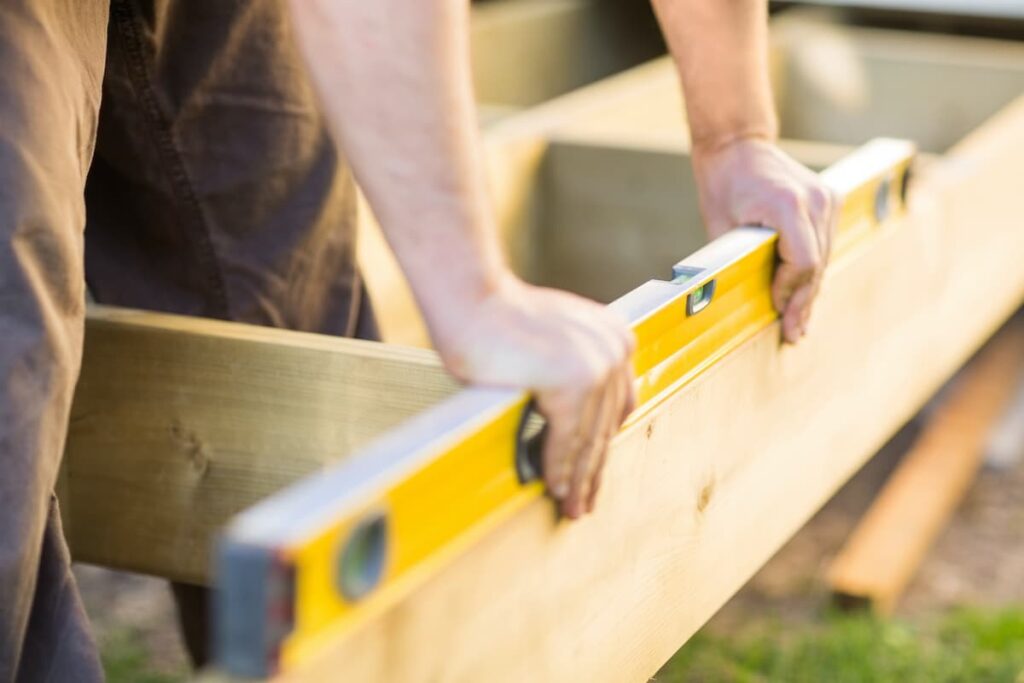
A level measures the angle of an object so that you can tell how horizontal, vertical, or diagonal it is. This alone makes it an essential home improvement tool, but you’ll be even more prepared with a multipurpose level, which includes a tape measure and laser for greater accuracy.
5. Wet/Dry Vacuum
Most DIY projects are messy. To make cleanup easier, you need a wet/dry vacuum. It will assist with quickly and efficiently tidying up. Whether your project uses small solid objects or liquids, the vacuum can suck or blow away any residue, spills, or particles left behind.
For Shaping
The point of most DIY projects is to alter one or more objects for aesthetic or practical purposes. In that case, invest in the best home improvement tools for shaping your materials however you need.
6. Saw
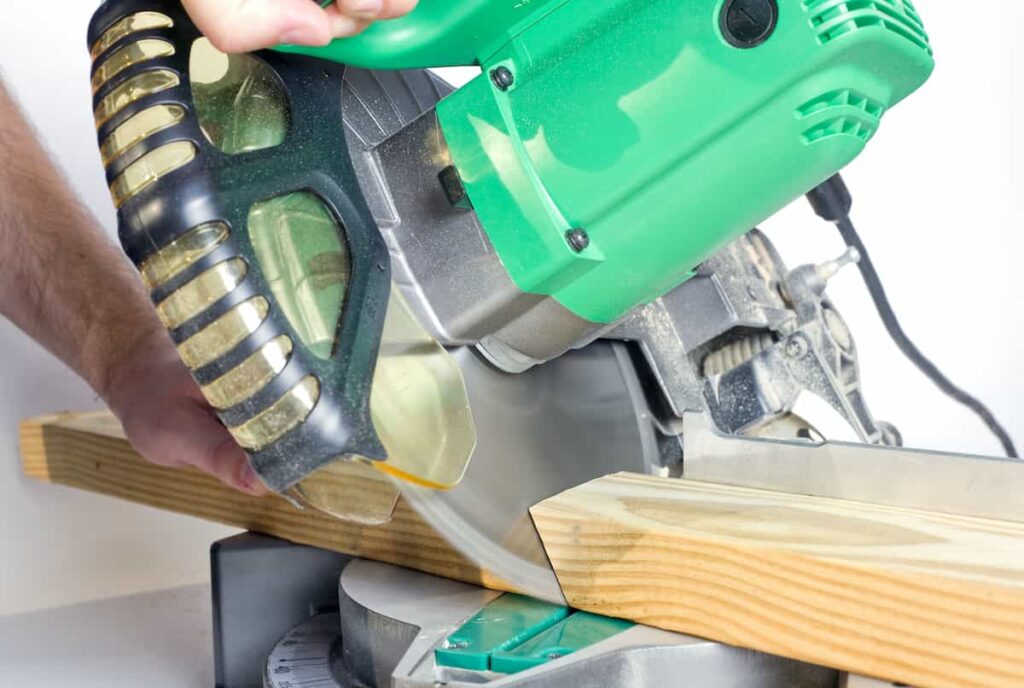
There are a few dozen types of saws in the world, and several could be beneficial to you, depending on the project. For versatility and quick cutting, opt for a compound miter saw. It should be able to cut at most angles and through most materials.
If one of these is outside your budget, invest in a quality hand saw, which is portable and easy to use.
7. Multi-Tool Knife
Sometimes, you only need to make small cuts, so there’s no need for an entire saw. Other small and unexpected issues may arise occasionally, too, like a loose screw or bolt. A multi-tool knife lets you handle all these jobs with one compact home improvement tool.
8. Chisels
If you’re artistic or experienced in woodworking, you may occasionally undertake a project that involves carving wood. Chisels are among the trustiest home improvement tools for that. Get a chisel set with various widths to suit every detail of your creative vision.
9. Putty Knife and Scraper
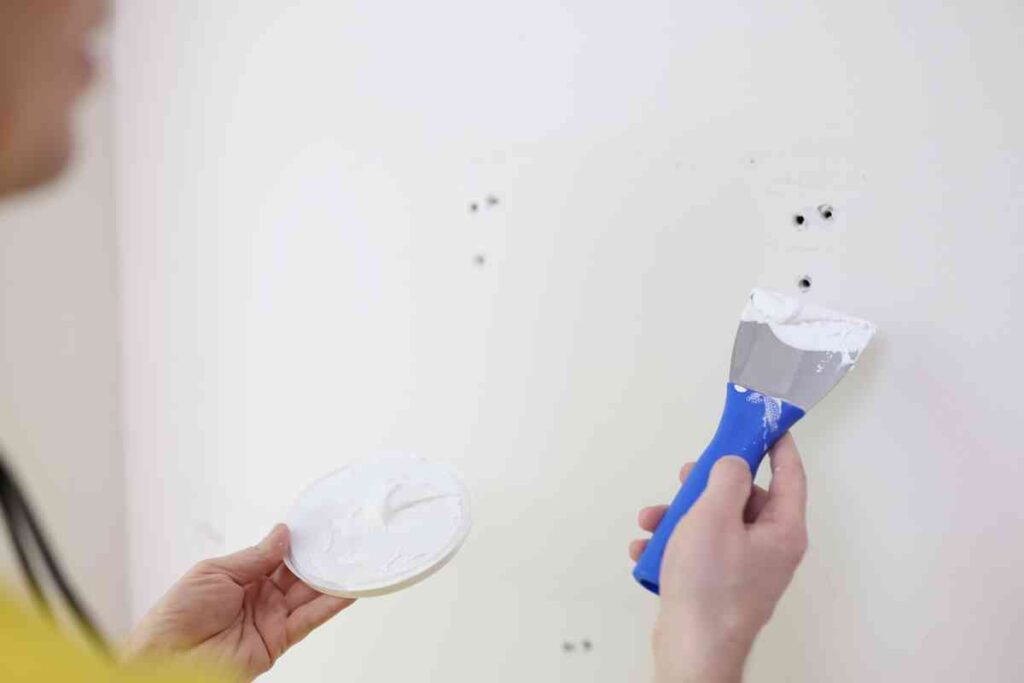
Before you start painting or texturing a wall, ceiling, floor, or piece of furniture, you may need to remove residue left from something else. The most efficient way to do that is to take a scraper and apply a little elbow grease. You’ll also find a putty knife useful for filling holes or cracks in wood, plaster, or drywall.
A set of scrapers in different widths means you’ll have the right tool for your DIY job!
For Connecting
Some of the most beautiful and/or practical projects are created by connecting various materials or objects together. A number of home improvement tools are made precisely for that purpose, and these are the ones you might use most frequently.
10. Nuts, Bolts, Screws, Washers
Nearly every DIY project requires nuts, bolts, washers, and/or screws to hold it together. Unfortunately, these objects are so small that they’re easily lost or damaged. Get an assortment box kit of them at least once or twice so that you never run out.
11. Hammer
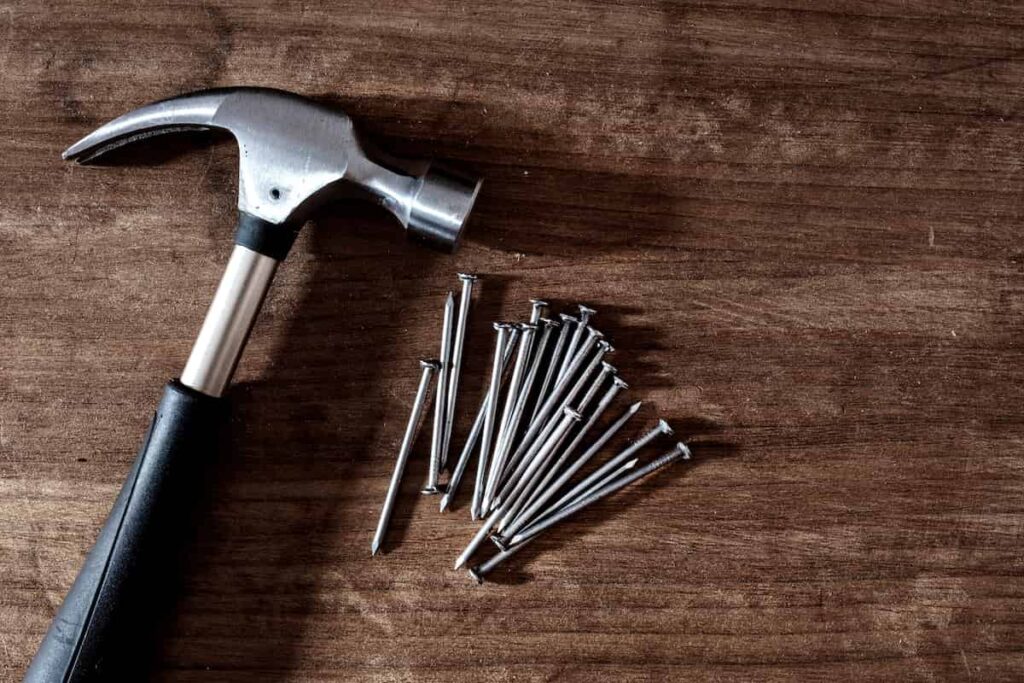
Do you need to push a nail through something? A hammer can do that. Do you need to remove a nail? Hammers come in handy for that, too. Get a claw hammer with a great grip and a sturdy build so that you’re unlikely to hurt yourself by accident.
12. Nailer
Also called a nail gun, a nailer is an excellent alternative to a hammer when you need to attach lots of nails over a short period of time. One gun can fit anywhere from dozens to hundreds of nails, allowing you to fire one after another until you’re done.
13. Screwdrivers
Screws may vary depending on their purpose, size, and manufacturer, which is why you need a screwdriver is widely regarded as an indispensable home improvement tool. As a bonus, screwdrivers are small enough to carry in a pack or tool belt. To be prepared for any screw, get a screwdriver with multiple interchangeable heads.
14. Drill

If your project calls for lots of screws, you may find a power drill to be more efficient. It employs torque to quickly and firmly fasten screws of all sizes into almost any material you might use, including wood, metal, ceramic, and plastic.
15. Wrenches
Nuts and bolts are so tiny that you need a specialized home improvement tool for tightening or loosening them. That’s where adjustable wrenches come in. Find a set with several sizes to suit any type of nut or bolt you may encounter.
16. Clamps
It’s hard to work with something that can move unexpectedly, potentially messing up your task. A good set of clamps can make all the difference. For DIY projects involving light materials, such as fabric or plastic, you may only need small clamps. However, get larger ones for more formidable materials, like wood and metal.
17. Caulk Guns
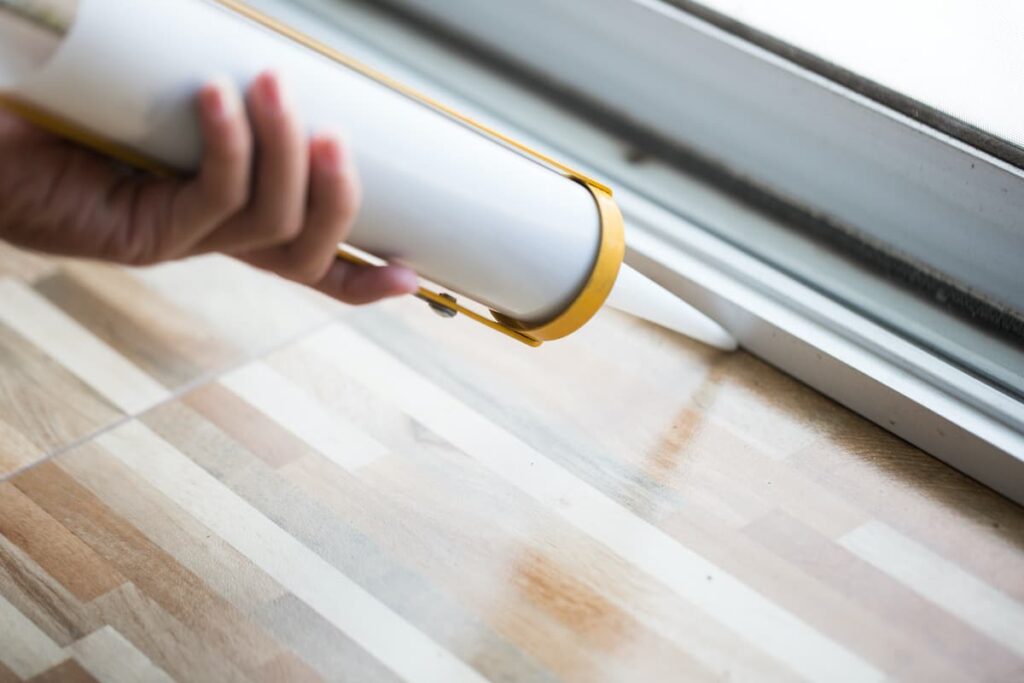
Whether you’re closing the gap between a window pane and windowsill, a sink and a vanity, a toilet and a floor, or a bathtub and a wall, a caulk gun allows you to use different caulk products. Caulking after drywalling, bathroom, or kitchen projects makes your home look neat and tidy; caulking around doors and windows stops water and air leaks, which reduces your energy bills.
18. Wood Glue
Looking to attach pieces of wood together without using nails, screws, or staples? Keep several bottles of wood glue handy. It’s formulated to seep into wood fibers to keep them firmly stuck together. It works so well that some people refer to it as the “liquid nail.”
19. Staple Gun
If you’re working with insulation, roofing, carpeting, or similar components of your home, heavy-duty staples are important for keeping the materials in place. This means that a staple gun should be among your home improvement tools.
For Decoration
Whatever you create should meet your aesthetic standards as well. Its appearance could affect your mood and overall sense of satisfaction with your environment. Plus, taking an artistic license lets you express yourself and explore your interests. Here are the home improvement tools you need to make every project a reflection of your personality.
20. Paintbrushes
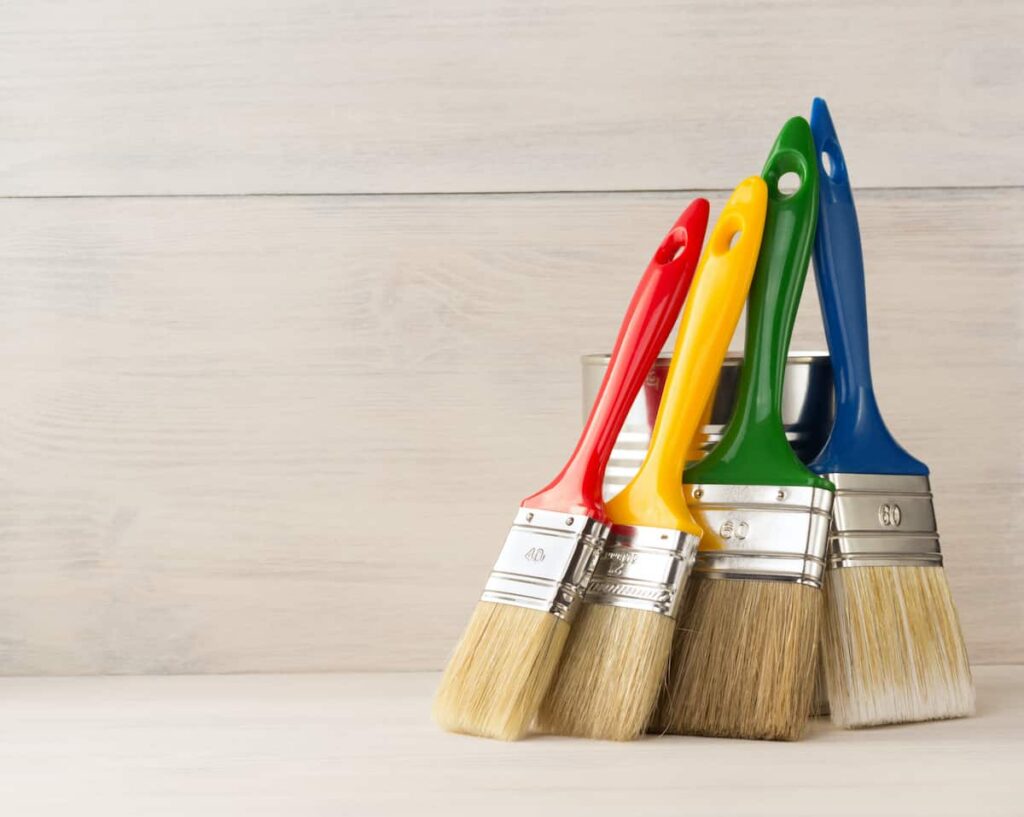
Are you painting furniture or other small, structurally complex surfaces? Invest in a set of paintbrushes with strong bristles arranged at various widths and thicknesses to accommodate your needs. For larger projects, you’ll want medium-sized handheld brushes, but get smaller ones for fine detail work.
21. Paint Palette
If you’re using multiple paints for one project, a paint palette is perfect for organizing them. Each cup can contain its own color, while the middle space can be used for mixing as needed. Plus, you don’t have to limit them to the purpose of home improvement tools; they can separate ingredients when cooking, baking, or serving food.
22. Paint Rollers

When you’ve got to paint your wall or ceiling, the most efficient way is to use paint rollers. They cover more space than paint brushes in the same amount of time, making them perfect for big, flat surfaces. Microfiber rollers are best; the fibers are soft, so they won’t leave scratches or other blemishes, but they also hold paint well.
23. Paint Trays
Of course, paint rollers are only so useful without an effective way to coat them in paint. A paint tray is a classic tool for that. All you have to do is pour some paint into the smooth end of the tray, push the roller into it, and then transfer the paint wherever you want to apply it.
24. Scribing Tool
Just as accessories make the outfit, scribing can make the DIY project. You need a scribing machine among your home improvement tools to design borders, embellishments, and even lettering to a piece of wood or tile.
Stock Up On All the Best Tools!
As long as you love DIY, you’ll always have a need for home improvement tools! This list is a great start for building up your stock, but if you want more advice in general or for specific projects, we can help.
Get started by checking out our page on DIY painting tools and where you can find them!