
One of the most frustrating problems with any interior wall-painting project is realizing that the finished job has a patchy look.
That look is, of course, the result of new paint not completely covering the former color. The mix of different shades was not what you envisioned your project’s end result would be.
Fortunately, it’s easy to learn how to fix uneven paint on walls. Read on to learn how to fix this problem and ensure future projects don’t leave you with the same disappointing results.
The First Step for Addressing Uneven Paint on Walls
There are a few reasons for winding up wondering how to fix uneven paint on walls. If you didn’t apply primer, it’s possible the previous paint on the wall is showing through in spots. A sloppy priming job can also produce an uneven appearance.
It’s also possible you didn’t apply the paint evenly, perhaps because your paint roller ran out of paint faster than expected.
Finally, it’s also possible you didn’t apply enough coats of paint to adequately cover the wall.
Whether you’ve noticed uneven paint coverage in the middle of the job or after you’ve applied the final strokes, your first step toward addressing the problem of how to fix uneven paint on walls is a simple one: Let the paint dry to see the extent of your problem.
Another Coat of Paint May Fix Your Walls
It’s possible, although not likely, that adding another coat of paint will even things out, and that may turn out to be all you need to know about how to fix uneven paint on walls. If you try this approach, carefully apply an initial new coat of paint, followed by two finish coats.
Starting Over Is the Best Cure for Uneven Paint on Walls
While you may be tempted to paint over an unevenly painted wall, what you’ll likely find at the end of that effort in how to fix uneven paint on walls is that you haven’t evened out the paint but have likely exacerbated the existing problem.
If you didn’t apply primer to the wall for your first attempt at painting it, that should be your first step in repainting the wall.
How to Properly Prime an Interior Wall
Applying primer to your wall isn’t solely to cover the old color before applying new paint as you work out how to fix uneven paint on walls. Priming does cover the old paint job, but it also provides a textured surface to which your new paint can adhere. Read on for tips on priming your wall.
Choosing the Correct Primer
Your first job in priming your wall as you pursue fixing uneven paint on walls is choosing the correct primer. Primers are available as both oil-based and water-based products. Water-based latex primers generally are a good all-purpose choice, while oil-based primers are good for porous surfaces and for covering stains.
A gallon of primer should cover between 300 and 400 square feet of wall, but you may need two coats for dark-colored walls.
Preparing the Wall for Priming
Priming a wall requires more than just applying primer to the surface as a first step in fixing uneven paint on walls. You’ll need to get the wall ready for priming by removing any vents, electrical plug plates, and electrical switch plates from the wall. You’ll also need to use caulk or spackling compound to cover any imperfections in the wall and then sand those areas down.
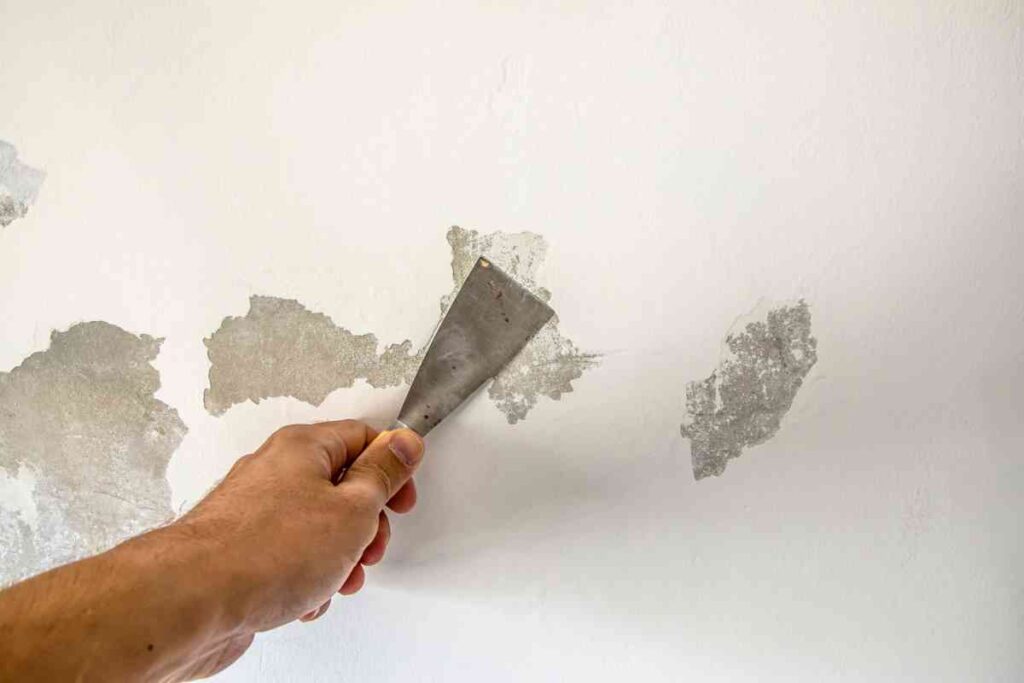
Next, cover the floor with a dropcloth to protect it from drips or splashes. Also, apply painter’s tape to the edges of baseboards and other trim to keep primer out of places you don’t want it to go.
As a final step, wipe the wall down with a damp cloth or sponge and wait for it to dry before continuing.
Cutting In
When you’re ready to apply your primer, your first step will be “cutting in” along the edges of the wall using a two-inch angled paintbrush. “Cutting in” makes using a roller to cover the rest of the wall easy.
Sanding and Final Preparation for Painting
Once the primer has dried, there still are things to do to ensure your wall is ready for painting. First, go over the wall with very fine-grit sandpaper. The easiest way to do it is to fold a sheet of sandpaper into quarters, rotating to a fresh section as the previous section gets covered with sanded primer.
When you’ve finished sanding, go over the wall with a damp cloth or sponge. When the wall dries, you’re ready to paint.
Tips for Painting an Interior Wall
With your drop cloth and painter’s tape still in place from priming your wall, you’re ready to start painting. Read on for some tips on how to do a great job.
Choosing the Correct Paint
In deciding on paint for your interior wall project, you’ll need to consider more than color. Your first choice is whether to use water-based latex paint or oil-based alkyd paint.
Latex is the most commonly used household paint because it stands up to household wear and can be cleaned with soap and water. However, if you’re painting a bathroom wall or a kitchen wall, both places where moisture is present, you should use alkyd paint.
Once you’ve decided on a latex or oil-based paint, you’ll need to decide on the level of sheen, also known as “finish,” that you’ll want. Generally, a flat paint, also known as a “matte finish,” is the standard choice for walls.
But if you’re painting in a high-traffic area, you should consider using paint with an eggshell finish for its durability. Satin-finish paint, slightly more glossy than eggshell, also may be a good choice for your project.
Finally, if you’re painting in a kitchen, bathroom, laundry room, or another area in your house where moisture is going to be present, you should choose a semi-gloss paint for its moisture resistance and washability.
Using a Paint Roller
Once you’ve done the “cutting in” work, you’ll be switching to a paint roller to quickly and effectively cover your wall.
If you’re painting just one or two walls, a nine-inch or 12-inch roller frame and roller cover (the cover is the part of the roller assembly that spreads paint on the wall) will work just fine. But if you’re painting more than just a couple of walls, you should consider using an 18-inch frame and cover to keep the work moving.
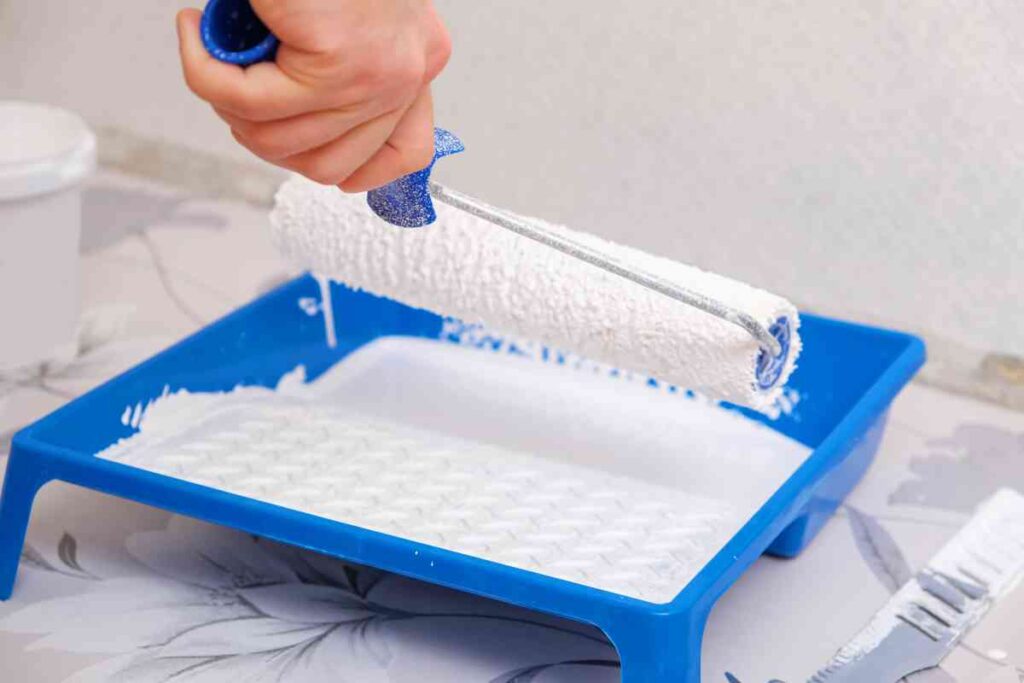
When you buy a roller, make sure its handle can accommodate an extension, which you’ll need to reach high sections, an important consideration in fixing uneven paint on walls.
As you apply paint to the roller, place it gently into the tray where you’ve poured your paint and roll it out. The roller cover should be well-coated but not dripping. Once the roller is on the wall, paint in a “W” pattern, coming back to fill in the open sections of the “W” before moving on. As you paint, make sure the edges of your work remain wet to ensure against streaks.
FAQs on Fixing Uneven Paint on Walls
Even with the tips provided here regarding how to properly prime and paint an interior wall, you’re likely to have more questions about how to fix uneven paint on walls. Read on for answers to a few of your likely questions.
What is the best way to choose a wall color?
Unless you’re repainting your interior wall with the same color it was painted before, you’ll be faced with choosing a new color for your DIY interior painting project. But that doesn’t need to be an overwhelming task if you use the simple trick of taking an object or two from the room or hallway, or whatever you’re painting, to the paint store with you.
Once at the paint store, choose sample strips with colors similar to the objects you’ve brought with you. Instantly, you will have narrowed your choices, possibly even with some colors you might not otherwise have considered.
Can wallpaper be painted over?
It may be that your interior painting project involves not the paint already on the wall, but the wallpaper covering it. That raises the question of whether you can, or should, paint over the wallpaper or remove it.
You can paint over wallpaper, but it’s a dicey proposition regarding how the completed job might look. You’ll have to survey the wall for any places where wallpaper seams have become unattached and glue them back down, and then you’ll need to vacuum the wall and wash it with a damp sponge or clean it with wallpaper dough, available at many building supply stores or home centers.
From there, apply a coat of oil-based primer to the wall, and finish the job with two coats of acrylic paint.
For complete step-by-step instructions, check out our post, How to Paint Over Wallpaper.
Can weather affect an interior wall painting project?
With any interior painting project, you’ll want to crack open a window or two, both to keep any toxic fumes from accumulating, and to help speed up drying.
But when you crack open a window, you bring outdoor weather conditions. As a general guide, don’t use latex paint when the outdoor temperature is less than 50 degrees or more than 85 degrees. For oil-based paint, the best application temperature is between 40 degrees and 90 degrees.
Drying of paint will occur best when humidity levels are between 40% and 70%.
Wrapping up How to Fix Uneven Paint on Walls
Now equipped with answers on how to fix uneven paint on walls, you should be ready to handle this DIY project. For help with other painting problems and for other tips on interior and exterior painting, check out DIY Painting Tips.