
After completing a painting project, you might notice that some areas of your wall appear duller or shinier than others. Uneven paint sheen, also known as “flashing,” is frustrating but fixable.
Flashing is a relatively common painting problem, but there are many potential causes. If you need to know how to fix uneven paint sheen, the first step is to get to the root of the issue. Damaged surfaces, poorly mixed paint, and application techniques can all be remedied, but they each require different solutions.
Read on to learn our five best answers for how to fix uneven paint sheen.
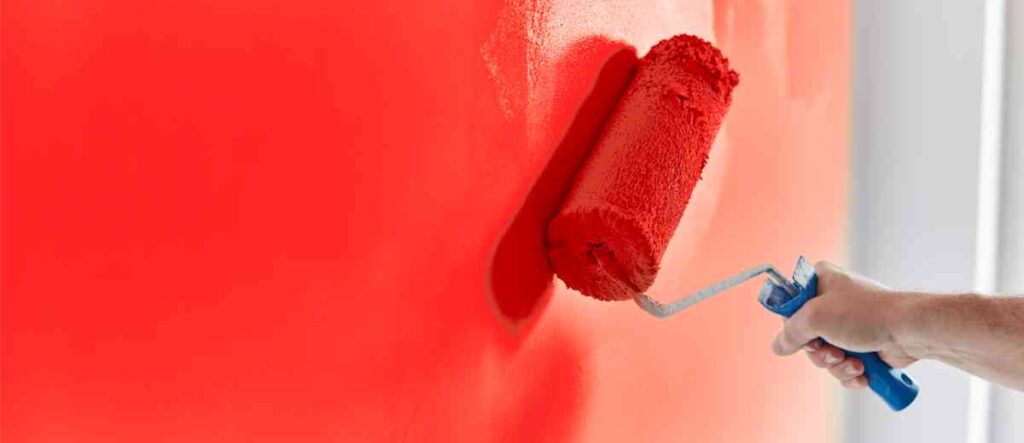
Sand It Down
A paint’s sheen or finish is the amount of light it reflects back into the room. Glossy finishes reflect more light, giving a shiny appearance. Matte finishes reflect little or no light, giving the wall a soft, velvety texture.
Often a difference in sheen reveals an uneven surface. This is especially true for semi-gloss and satin paints. As you consider how to fix uneven paint sheen, look carefully at the flashing on your wall. Does it appear only on areas that aren’t perfectly level–perhaps a repaired dent or a raised bump? If so, be prepared to break out the sandpaper. You’ll need to sand the area until it’s completely flat. Then spot prime and repaint.
Even if your walls are damage-free, sandpaper could still be your answer for how to fix uneven paint sheen. Look for tell-tale brush strokes or roller marks in areas that appear to have a duller or shinier finish. These are indicators that paint was applied too heavily in that section. You’ll need to use sandpaper to remove the excess paint. When you repaint that section, maintain a light, even pressure and blend your edges into the surrounding area.
In either case, when you’re sanding down an uneven finish, use very fine grit sandpaper. Anything from 150 to 220 grit can be used to remove a thin layer of paint. Use a sandpaper block to help maintain even pressure as you’re sanding. Finally, be sure to remove any sanding dust from the wall with a tack cloth before touching up primer and paint.
Stir It Up
Sometimes the surface isn’t the issue behind flashing. When patches appear to correspond to where you painted–not what you painted over–your paint probably needs a good stir.
It stands to reason that thorough mixing would explain how to fix uneven paint sheen. Paint is a suspension, not a solution. It doesn’t take long for heavier components of the paint solution to settle at the bottom of the paint bucket.
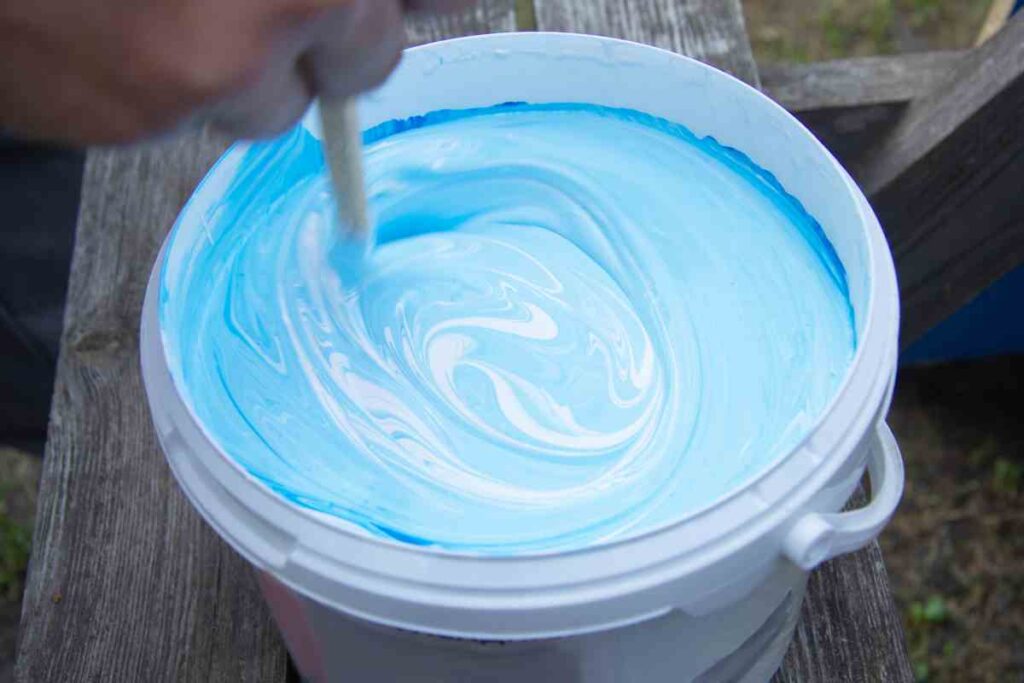
Heavily pigmented paint will often reveal this separation by appearing marbled or mottled right under the lid. However, white paint is also a solution of lighter and heavier compounds. Stir your paint well, even if there’s no obvious variation in the color. Use a paint stick to reach the bottom of the pail and around the edges.
On large projects, you’ll likely be working with several gallons of your chosen paint. Working from each gallon individually almost guarantees you’ll be looking up how to fix uneven paint sheen and color later. Believe it or not, even paint mixed at the same time with the same formula can have slight variations.
To remedy this, pour all of your paint gallons together in a large bucket. Use a paddle attachment on an electric drill to mix it all thoroughly. This strategy will ensure all your paint is consistent before you put it on the wall.
Roll Out Another Coat
Sometimes, promises of one-coat coverage or all-in-one paint and primer are oversold. In order to get truly even color and sheen, you might need a second or third coat of paint. Don’t rely on product promises for a quick finish. Applying additional coats of paint ensures you’ll have enough coverage to prevent flashing.
If a one-coat-wonder product left you wondering how to fix uneven paint sheen, wait for the paint to dry completely. Then, go ahead and apply another coat. Building up several coats of paint provides the best coverage for the entire surface.
Maintain a Wet Edge
No discussion of how to fix uneven paint sheen would be complete without mentioning your painting technique. From the moment you cut in, make sure that each new brush stroke overlaps the area you just painted. This is known as maintaining a wet edge. When using this method, you smooth and blend the wet paint on the wall as you work.
If stopping mid-coat is unavoidable, be sure to feather your edges before you go. Drag your roller or paint brush from your wet edge out onto the dry wall. Work along your entire wet edge, pulling the wet paint out onto the dry surface until it fades away.
When you return to your project, begin working in the area you most recently painted–even if it’s started to dry out. Use the same feathering technique to blend your new paint into the dry wall. Then, continue working around the room, maintaining your wet edge until the project is complete.
As you’re learning how to fix uneven paint sheen, feathering as you repaint will be an essential skill. Pay close attention to your edges if you need to touch up your paint after sanding or spot priming. Blend into wet paint wherever possible, and be sure to feather out the edges to blend with dry areas.
Prime Your Walls
Last but not least, let’s cover the most work-intensive method for how to fix uneven paint sheen. Sometimes, flashing appears in every part of your finished room. If this is the case, the issue is likely your primer.
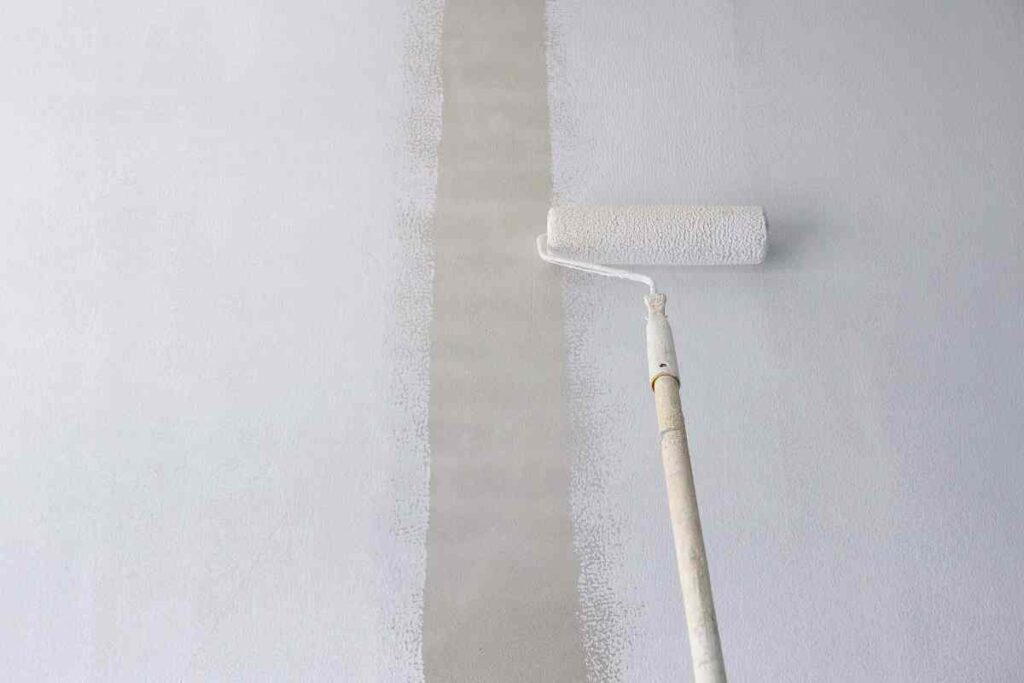
Primers are often specifically formulated for certain surfaces. As you’re deciding how to fix uneven paint sheen on your walls, consider the best primer for your wall. New drywall is porous, so it’s more likely to soak up liquid and make a painted surface appear blotchy. On the other hand, cabinets or wainscoting may need a thicker, stickier primer. Without primer, paint can slide right off these slick surfaces.
Naturally, applying primer and repainting an entire room is a painful proposition. However, a well-primed and painted surface will give you a professional finish for years to come.
Frequently Asked Questions
Does wet paint always look blotchy?
Wet paint can look like it has uneven sheen as it is drying, especially if you’re using satin or semi-gloss. Don’t panic over how to fix uneven paint sheen before your paint has fully dried! You may find that the color and finish are completely uniform once the paint has a chance to cure.
Let your paint dry for at least eight hours or overnight. If the sheen is still uneven after it’s fully dried, then you can commit to fixing the issue.
What is the best primer to guarantee an even coat?
Primer smooths over damaged or porous surfaces and allows the topcoat of paint to adhere evenly. The best primer depends on your needs.
Primer is especially important for new drywall, which has a porous surface. Primer helps seal the drywall and prevents it from absorbing too much liquid. Check out our list of The Best Drywall Primers For New Drywall.
If your room also includes woodwork or cabinetry, you’ll need a different primer than you would use on your walls. Read our top five recommendations in The Best Primer for Kitchen Cabinets.
Whichever primer you choose, be sure to apply it evenly all over your surface. Priming well is a lot of work upfront. However, it’s less work in the long run than fixing uneven paint sheen.
What is the best way to apply paint evenly?
First-time DIY painters often discover there’s a learning curve to painting. Learning how to fix uneven paint sheen is relatively straightforward, but with some practice, it’s even easier to learn how to prevent this problem.
Creating an even coat starts with the way you load your roller. Dip your roller into the deep end of the paint tray and then roll up to the shallow end to evenly distribute the paint. Dip and roll two or three times until the roller appears fully coated but not dripping.
If you’re using a brush, dip your brush into the paint and then make a cross-hatching pattern on your paint screen to remove excess paint. You can also wipe both sides of the brush against a rubber band stretched across a pail.
Next, try to apply consistent pressure as you roll or brush onto the wall. One way to do this is to roll out a W shape on the wall and then continue rolling to smooth out the paint.
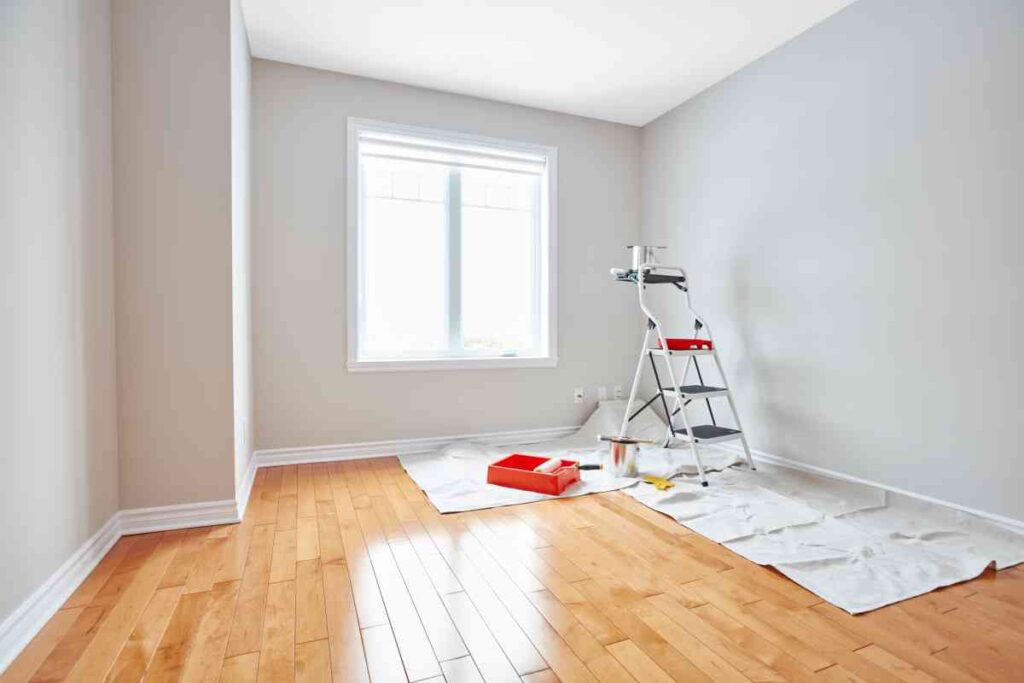
When you’re cutting in, create a sharp line with a firm, steady hand. Then, use your brush to feather the edge of the wet paint down to the rest of the wall. Roll paint on the rest of the wall quickly, before your cut-in edge has a chance to dry.
This is the best trick for how to fix uneven paint sheen that appears only at your cut-in edges. Cut in and roll small sections at a time to maintain your wet edge.
Learn More Solutions for Common Paint Problems
Now that you know how to fix uneven paint sheen, preventing it from happening again will be easier. Thoroughly mixing your paint, preparing your surface, and applying paint evenly are all essential for a flawless finish. If you’d like to learn more remedies to common painting issues, check out all our tips for Paint Problems & Solutions here.